A few years have passed now. Not in a way that feels dramatic. Just enough time for your memory to stop demanding an answer.
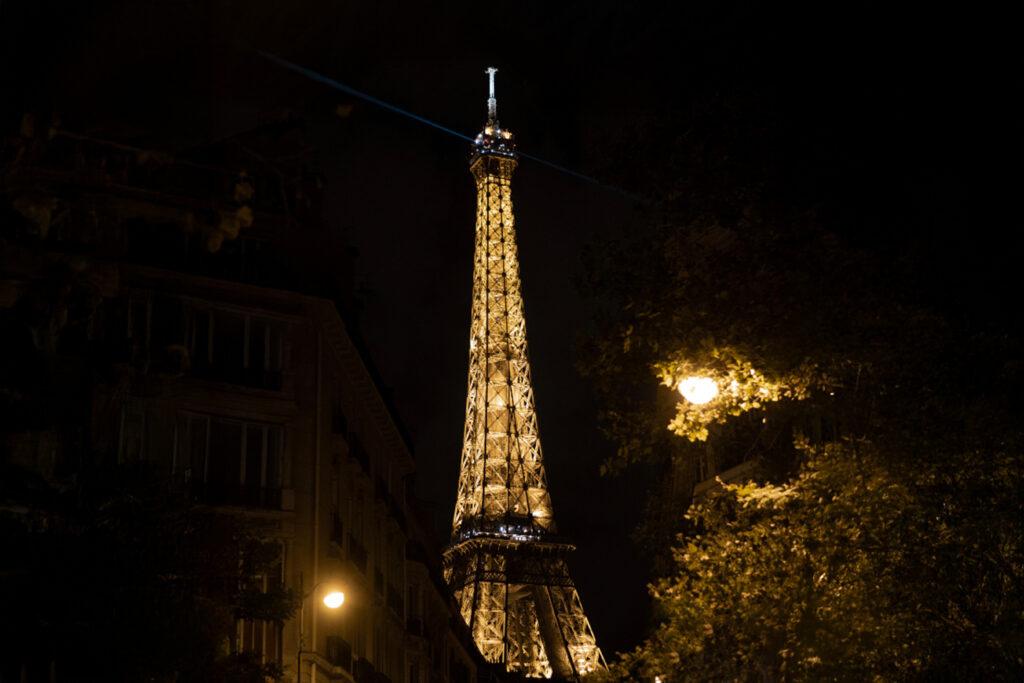
You think of her sometimes without warning. Her smell. That black silk dress. The sound of laughter that rose and fell just as quickly. The spinning light on the Eiffel Tower was like a lighthouse that promised something and never delivered it.
You think of her head on your shoulder in the back of the car. The weight of it. The way you did not move. The way you chose stillness over possession.
At the time, you believed that was restraint. You believed it was control.
Now you understand it differently.
You may have met her on a bridge. Or in a park. Or somewhere in the recesses of your imagination, where memory rearranges faces and insists they were once real.
It would not have felt like a meeting at the time. Meetings announce themselves. They arrive with names. With beginnings that pretend to be clean. This did not. This arrived the way a city arrives, slowly, without permission, already knowing how it will be remembered.
Paris was already there, watching.
She was Danish. That is what people would say because they need a country to hold a person still. But a country never held her. She moved as if she belonged to whatever room she entered, whatever street she crossed. As if space made room for her out of politeness, not desire.
You noticed it immediately.
Not her face first. Not the details a camera would collect. You noticed the way she looked at things without asking their permission. The way she spoke was as if the world were listening. The way she laughed, not to fill the silence, but to delay it. As if she understood instinctively that once the quiet arrived, it might ask for something neither of you was ready to give.
You decided you would photograph her. Not formally. Not yet. You were already thinking in images. The way light moved across her shoulder. The way she turned her head was as if following a thought rather than a sound. You told yourself it was professional instinct. That was close enough to believe.
You were in Paris for a week. That is what the calendar would say. But Paris disobeys calendars. Time behaves differently when the light is pale and old, and the streets are filled with people who are also pretending to begin again.
The first evening, you took her high above the street. Perruche. Rooftop at night. The kind of place that makes people speak softly, not because of intimacy but because the view demands respect. Paris below, indifferent, continuing. The Eiffel Tower in the distance, sparkling in intervals, and above it, a light turning slowly like a lighthouse, as if there were a sea of people and you were both lost on it.
The light spun. It lit the way to something. Not to her. Not to you. To something that existed only in the imagination of the moment. That is what the lighthouse does. It does not promise land. It promises that you are not alone in the dark.
She wore a black silk dress and earrings cut like diamonds. You remember the earrings because they caught the city and gave it back in small flashes, as if she were collecting Paris and returning it piece by piece. Her skin looked almost unreal under the rooftop light. Young skin always does, because it has not yet been asked to carry consequences.
When she turned her head toward the tower, you could smell her hair. Something warm and expensive. Jasmine folded into tuberose. Mixed with the faint salt of her skin and the clean animal warmth that rose from her neck when she laughed. The scent entered you quietly and stayed.
She smiled, and you did not know what the smile meant.
You spoke. You ate. You drank. But what you remember is not the conversation. You remember the pauses. The way she looked past you sometimes, toward the tower, toward the city, toward something that did not include you. It was not cruelty. It was honesty. She did not know she was doing it. That is why it was dangerous.
Later, you walked along the Seine. The river moved without interest. The bridges held their breath. Your arms brushed against each other as you walked, not enough to claim, enough to notice. That is how tension starts. Not with touching. Refusing to touch when you could.
You told yourself it was nothing, that it was simply Paris. The city makes everyone feel like a character.
You drifted into a carnival like people drift into mistakes. Lights. Laughter. Noise that admitted it was temporary. You played games. The prizes were cheap. The rules were designed to make you lose. You lost anyway, and you did not care. She laughed, and the laughter made the loss feel like winning.
You rode the merry-go-round.
It is childish. It is perfect. It is the exact shape of illusion. Moving in circles, believing you are going somewhere.
The music played and repeated itself, and you watched her face as the light changed over it. For a moment, she looked older. Like someone you had already lost. The carousel turned, and the moment passed. You did not speak. Speaking would have broken it.
You may have met her on that bridge.
You may have invented her there.
It is difficult now to separate the girl from the bridge, the bridge from the river, the river from the feeling that time was loosening, that it had forgotten its responsibilities.
In Paris, reality is not always the strongest thing.
The next morning, you rented bikes. You found them in small clusters on the street, unlocked with a code on an app, waiting for anyone who wanted motion. You pedaled through narrow streets, past cafés where people sat for hours and did not call it laziness, past hotel lobbies where someone was always arriving, and someone was always leaving.
You were always arriving. You were already leaving.
You tried on matching Cartier Love bracelets near Place Vendôme. You remember the weight of the metal. The absurdity of it. The way the bracelet looked on her wrist was as if it had always been waiting for her. The sales staff smiled the way staff always smile, as if they had seen this story a thousand times and knew it would end the same way.
You laughed. She laughed. You took photographs. You put the bracelets back.
It was a game. It was not a game.
Later, you called a private car to take you to the Château de Versailles.
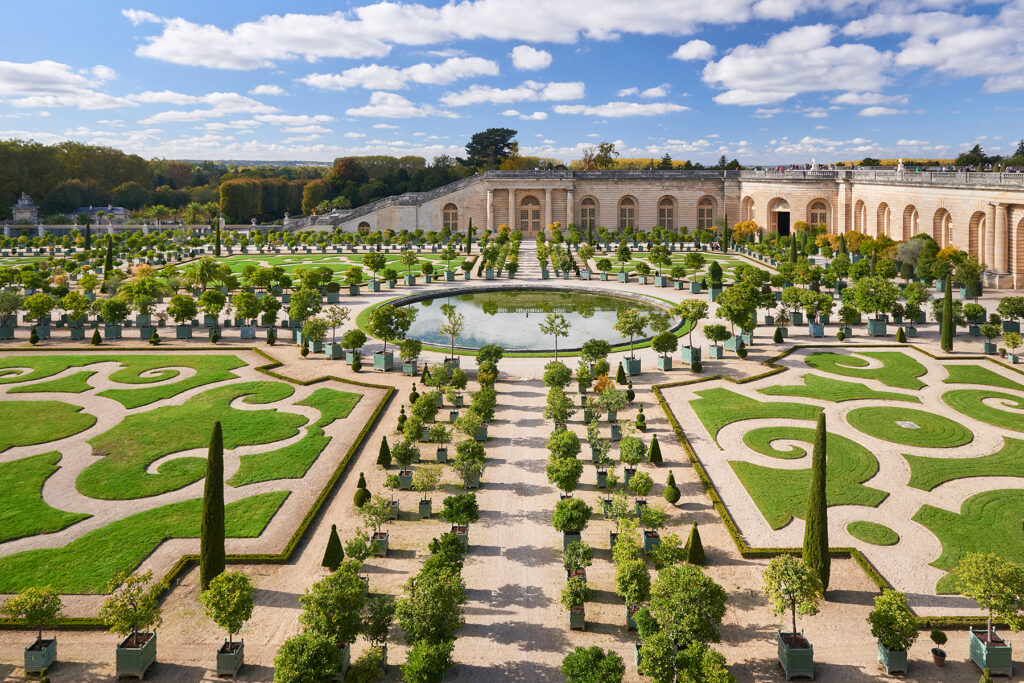
The name alone is enough. It is a costume. It makes everything sound like it mattered more than it did.
You walked through rooms built to intimidate time. Gold. Mirrors. Paintings of kings who believed they could control the future. You watched tourists move through it like ants. Everyone small. Everyone quiet. Everyone is pretending to understand what power looks like.
Outside, the gardens were too perfect. Symmetry as violence. Trees trimmed into obedience. Paths are laid out to prevent wandering.
And still you got lost.
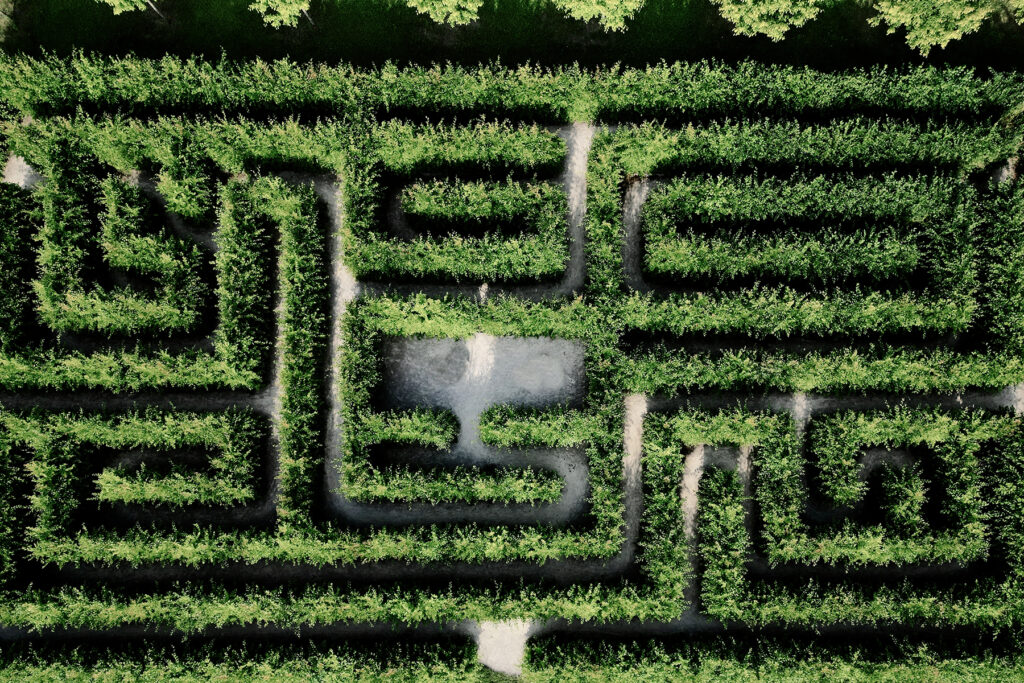
The maze. Hedges ten feet tall. Green walls are closing in. You chased her through the narrow paths. Her laughter ahead, bright and scattering like birds. You turned corners, and the sound grew distant, then close again. She thought she had escaped you. She ran into a corner, a dead end of leaves and shadow.
The laughter faded.
Trapped. Both of your hearts are beating loud enough to hear. Time slowed. The air between you thickened. Her back against the hedge, chest rising and falling. You stepped closer. Close enough to feel the heat coming off her skin. Close enough that you could have reached out and touched her face, her throat, the place where her pulse jumped.
You did not.
Her eyes met yours and held. Something passed there, wordless, electric, almost unbearable. Then she looked down.
Extended stories, unpublished images, and the private archive.
[Explore the Director’s Tier →]